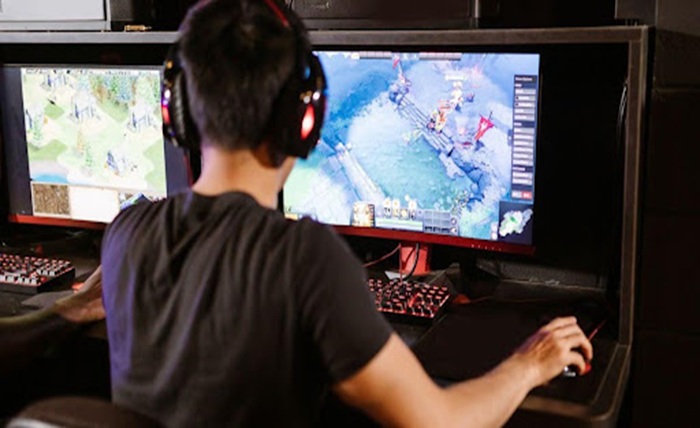
Have you noticed how online gaming has become one of the main places people hang out, compete, and create together? What used to be seen as a niche hobby now sits right in the middle of music, humor, live events, friendship, and shared internet language.
That shift happened because games are no longer just products people play alone. They are active social spaces where players talk, collaborate, watch others perform, and shape what becomes popular next. In many cases, gaming now works like a mix of a playground, a stage, and a chat room.
As interactive culture keeps growing, online gaming stands out because it gives people something passive media cannot: direct participation. You are not just watching what happens. You help make it happen, and that changes how communities form around it.
Why Gaming Feels More Social Than Ever
Online gaming now acts like a shared meeting place as much as a form of entertainment.
Games Create Ongoing Social Spaces
People do not log in only to finish a match or clear a level. They log in to talk with friends, meet new players, and spend time in a familiar digital space. Voice chat, text chat, team goals, and live reactions make the experience feel immediate in a way recorded media cannot match. That sense of being there together is a big reason gaming now sits at the center of online culture.
Shared Experiences Travel Fast
A funny mistake, a last-second win, or an unexpected strategy can spread across the internet in hours. These moments turn into memes, catchphrases, and inside jokes that reach far beyond the original match. Even niche interests, including discussions around terms like slot gacor, often gain traction because gaming communities are quick to remix and share language with each other.
How Interactivity Changes Culture
The biggest difference between gaming and older media is that players help shape the experience.
Players Are Participants, Not Just Viewers
When you watch a film or listen to a song, the content stays the same each time. In online gaming, every match can unfold differently because real people are making choices moment by moment. That unpredictability gives games a live quality. It also makes stories feel personal, since players can say, with total honesty, that they were part of what happened.
Communities Build Their Own Meaning
Online gaming communities create their own customs, jokes, roles, and expectations. Some players become known for strategy, others for humor, and others for helping newcomers learn. That community-made identity matters because culture grows through repeated interaction. The players are not just consuming entertainment. They are building social norms around it in real time.
Why Gaming Shapes Online Language And Trends
Gaming culture spreads quickly because it produces constant, shareable moments.
Fast Reactions Fit Internet Culture
Online spaces reward speed, humor, and participation, and gaming naturally produces all three. A single stream clip, dramatic comeback, or chaotic team moment can become part of the broader internet conversation almost instantly. That speed gives gaming a strong role in shaping the slang, humor, and references people use every day.
Games Influence More Than Play
The impact goes beyond matches and scoreboards. Fashion choices in avatars, editing styles in videos, reaction images, and even the way people narrate their own experiences often come from gaming habits. In some corners of online conversation, phrases linked to play patterns or spending habits, such as slot deposit 5000, also circulate because gaming spaces often act as testing grounds for broader digital vocabulary.
How Online Gaming Connects Different Kinds Of Media
Gaming does not stand apart from internet culture anymore because it blends with many other forms of expression.
Streaming Turned Play Into Performance
One major shift came when play became something people also watched live. A player can entertain an audience through skill, commentary, humor, or personality, all while responding in real time. That mix of play and performance makes gaming feel communal. It is not only about finishing objectives but also about sharing the moment with others.
User Creativity Keeps Expanding The Experience
Fan art, edits, custom challenges, community tournaments, and discussion videos all extend the life of a game far beyond its original format. People take what happens in play and turn it into stories, jokes, analysis, and art. That cycle keeps gaming central because it feeds a larger creative culture instead of ending when the session is over.
What This Means For Interactive Culture
Gaming matters because it reflects where digital life is headed.
Participation Is Now The Main Expectation
More people expect media to respond to them in some way. They want to comment, influence outcomes, build communities, and be seen by others while doing it. Online gaming fits that expectation better than almost any other format. It gives people agency, feedback, and social connection all at once.
Gaming Is A Cultural Hub
Online gaming now works as a central meeting point where entertainment, communication, creativity, and identity all come together. It shapes how people spend time online and how they relate to each other there. That is why it has become the new center of interactive culture: not because it replaced everything else, but because it connects so many parts of digital life in one active space.