
Getting your website to the top of Google feels harder every year. You write great content. You fix your site speed. You add the right keywords. Yet your rankings barely move. Here’s the missing piece most site owners overlook: backlinks. Other websites need to link back to you, and that’s exactly what good link building SEO services are built to do. This guide breaks down what these services actually involve, why they matter, and how to tell a strong provider from a weak one.
Whether you run a small local shop or a growing ecommerce brand, the same rule applies. Rankings follow trust, and trust is built through relationships with other websites, not just clever keywords. By the end of this guide, you’ll know exactly what to look for and what to avoid.
What Link Building SEO Services Actually Do
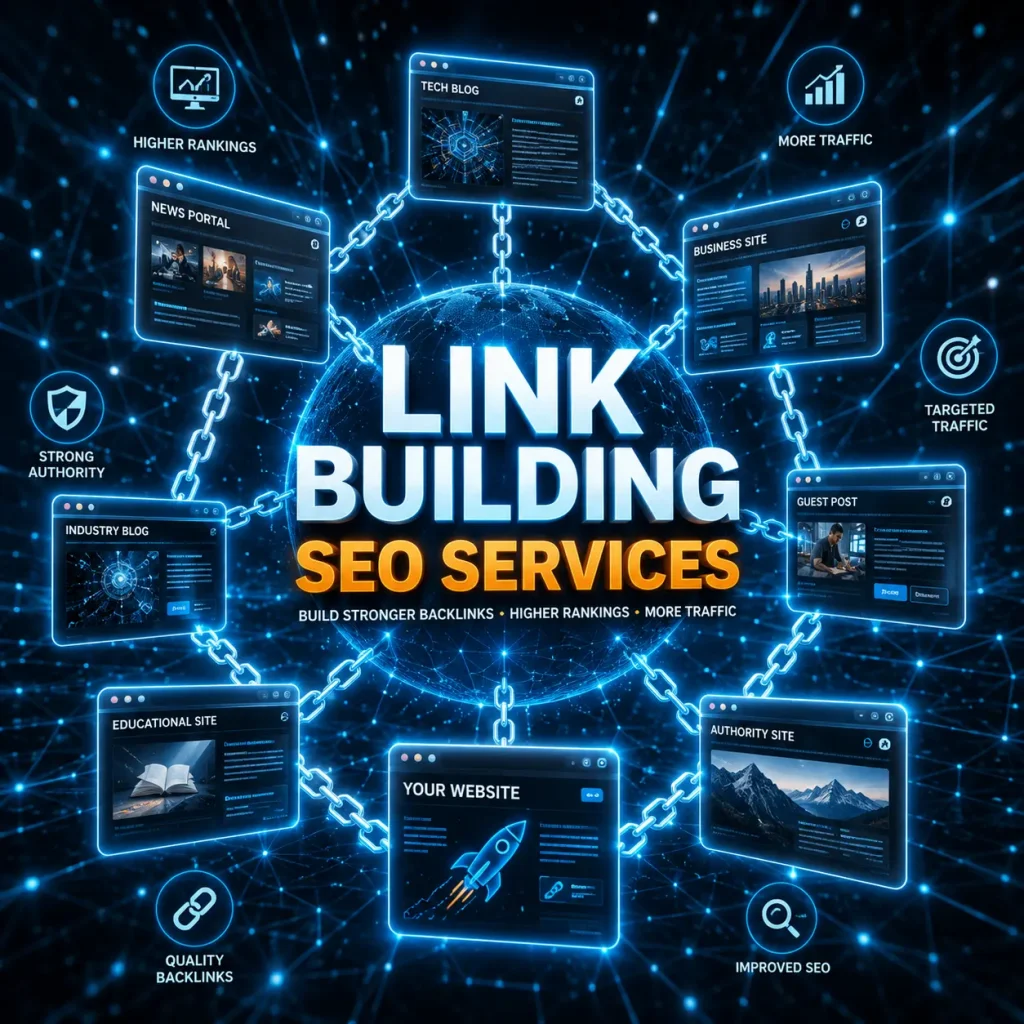
Link building SEO services help your website earn backlinks from other trusted sites. Each link acts like a vote of confidence. Search engines see these votes and use them to judge how trustworthy, relevant, and useful your site really is.
Think of it like a job reference. If one person says you’re great at your job, that’s nice. But if ten respected professionals in your field vouch for you, employers pay attention. Backlinks work the same way for your website.
Why Search Engines Care About Backlinks
Google wants to show searchers the best possible answer. It can’t read your mind or judge your business by instinct, so it looks for signals instead. A steady stream of quality backlinks tells Google that real people and real websites find your content worth referencing.
Without this signal, even well-written pages struggle to rank. You could have the best product on the market, but if no one else online talks about you, Google has little reason to trust your claims over a competitor’s.
Why So Many Websites Struggle Without Them
Most businesses publish blog posts, tweak their metadata, and add keywords, then wonder why nothing changes. The problem isn’t the content. It’s the missing authority behind it.
Here’s a simple way to picture it. Two bakeries both bake amazing bread. One gets mentioned by local food bloggers, news sites, and community pages. The other has zero outside mentions. Guess which bakery shows up first when someone searches “best bread near me.”
Quality link building seo services fix this exact gap. They focus on outreach, relevance, and trust instead of chasing random numbers. That difference separates websites that rank from websites that stay stuck on page three.
The Core Types of Link Building Explained Simply
Not all backlinks work the same way. A good strategy blends several approaches based on your industry, goals, and current authority level.
Manual Outreach Link Building
Manual link building means a real person researches relevant websites, checks their quality, and reaches out directly. There are no shortcuts and no bulk spam tactics involved. This method takes longer, but the links tend to last and actually help your rankings.
Contextual Link Building
Contextual links sit naturally inside an article or blog post that already relates to your topic. Because the link fits the surrounding content, search engines trust it more than a random link dropped into an unrelated page. Readers click these links more too, since they feel like a natural next step rather than an ad.
Local Link Building
If you run a local business, general backlinks aren’t enough. You need links from local directories, community sites, chambers of commerce, and regional press. These links tell Google exactly where you operate and who you serve, which helps you rank for “near me” searches.
Digital PR and Authority Mentions
Digital PR earns your brand a mention in a news story, industry publication, or expert roundup. These links often carry serious weight because they come from sources readers already trust. A single strong mention can sometimes do more than dozens of small, low-quality links.
How the Right Strategy Comes Together
A trustworthy provider doesn’t just start emailing random sites and hoping something sticks. Real link building seo services follow a clear, repeatable process.
- Backlink audit. The provider reviews your current links, spots weak or toxic ones, and finds gaps.
- Competitor research. They study where your competitors get their links from, so you know exactly what you’re up against.
- Custom strategy. Every business is different, so the plan should match your niche, budget, and goals.
- Prospect research. Sites get checked for relevance and quality before any outreach begins.
- Outreach and placement. Real people contact real publishers to earn natural, useful links.
- Tracking and reporting. Good providers show you exactly which links were earned and how rankings respond over time.
This process takes patience. Anyone promising hundreds of backlinks overnight is likely using tactics that put your site at risk.
A Quick Comparison of Link Building Approaches
| Link Type | Best For | Typical Timeframe | Risk Level |
|---|---|---|---|
| Manual Outreach | General authority growth | 2 to 6 months | Low |
| Contextual Links | Topic relevance and trust | 1 to 4 months | Low |
| Local Link Building | City and region-based rankings | 1 to 3 months | Low |
| Digital PR | Brand visibility and big mentions | 2 to 5 months | Low to Medium |
| Bulk or Paid Networks | Quick backlink counts | Days to weeks | High |
As the table shows, the fastest option usually carries the most risk. Search engines actively penalize sites that lean on spammy, low-quality networks, so it pays to think long term.
Common Mistakes That Hurt Rankings Instead of Helping
Many businesses jump into link building without a plan, and it often backfires. Here are a few mistakes worth avoiding. Buying cheap backlinks in bulk rarely works. These links usually come from low-quality or irrelevant sites, and Google can spot the pattern fast. Overusing exact-match anchor text is another common trap; it looks unnatural and can trigger red flags instead of ranking boosts. Some businesses also ignore topical relevance entirely, earning links from sites that have nothing to do with their industry, which sends confusing signals to search engines.
Another mistake is building links only to your homepage. Search engines want to see authority spread across your site, including product pages, service pages, and blog posts. When every link points to the same spot, it looks unnatural and wastes valuable opportunities to boost the pages that actually drive sales.
Skipping competitor research is a quiet mistake too. Without checking where competitors get their links, you’re guessing instead of following a proven path. A quick look at a rival’s backlink profile often reveals easy opportunities you’d never find on your own. The safest path is always quality over quantity. A handful of relevant, trusted backlinks beats a hundred random ones every time.
How to Measure Whether Link Building Is Working
Tracking progress matters just as much as earning the links themselves. Without clear numbers, it’s hard to know if your investment is paying off.Start by watching your keyword rankings for the pages you’re building links to. A steady climb over a few months is a strong sign the strategy is working. Referral traffic is another useful signal, since it shows real visitors clicking through from the sites that linked to you.
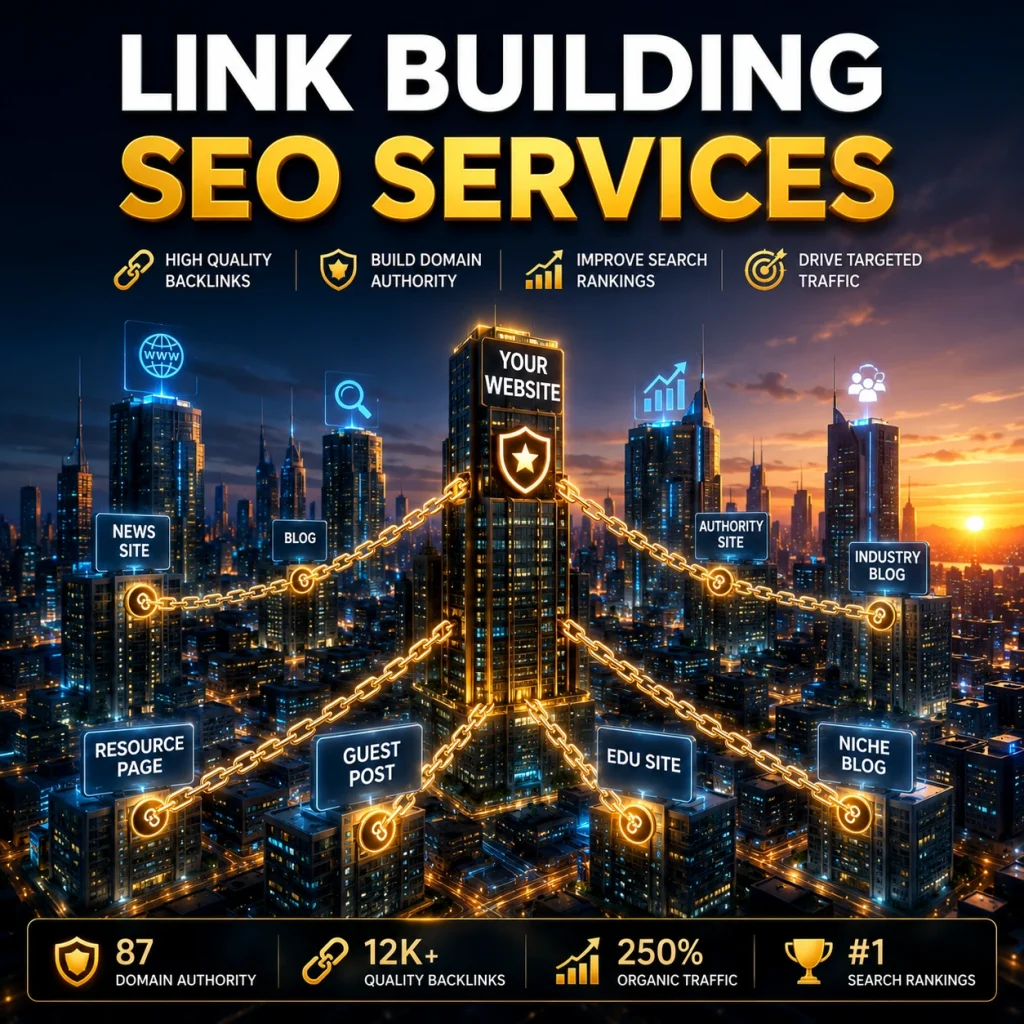
Domain authority scores, while not perfect, can also give a rough sense of how your overall trust is growing over time. Pair that with organic traffic reports, and you’ll get a clear picture of whether your link building efforts are paying off or need adjusting.Most importantly, watch your conversions. Rankings and traffic mean little if they don’t turn into calls, leads, or sales. A good provider ties link building results back to real business outcomes, not just vanity metrics.
How Link Building Supports AI Search Visibility
Search has changed. People now ask ChatGPT for recommendations, check Google AI Overviews for quick answers, and use Gemini or Copilot to compare businesses. These AI tools still rely on authority signals to decide who to mention and trust.
This means link building seo services now matter for more than traditional search rankings. Strong backlinks and brand mentions help AI systems recognize your business as a credible source. Skipping this step means your competitors could get recommended by AI tools while your business stays invisible.
AI tools tend to favor brands that show up consistently across trusted sources. A mention in a respected publication, paired with a handful of relevant backlinks, builds what’s often called topical authority. Over time, this pattern of consistent, relevant mentions becomes one of the clearest ways for AI systems to decide who deserves a recommendation and who gets left out.
Choosing the Right Link Building Partner
Picking the wrong provider can waste your budget and even hurt your rankings. Before you commit, ask a few honest questions.
Does the provider explain their outreach process clearly, or do they stay vague about where links come from? Do they show real examples of past placements, or just promise big numbers? A provider offering full transparency is almost always the safer choice.
Good link building seo services should feel less like a black box and more like a partnership. You should understand what’s happening, why it’s happening, and how it connects to your business goals.
Frequently Asked Questions
How long does link building take to show results?
Most businesses start seeing ranking movement within two to four months. Results depend on your industry, competition, and current site authority. Patience pays off, since natural link growth tends to last much longer than quick fixes.
Are paid backlinks safe to use?
Paid backlinks from low-quality networks often break Google’s guidelines and can lead to penalties. Some paid placements, like sponsored content on reputable sites, are safer when done carefully. It’s best to focus on earned, relevant links whenever possible.
How many backlinks does my website actually need?
There’s no fixed number that guarantees rankings. Quality and relevance matter far more than raw link count. A few strong, relevant backlinks often outperform dozens of weak ones.
Can I do link building myself without hiring help?
Yes, but it takes real time for research, outreach, and follow-up. Many business owners start alone, then bring in help once they need to scale. A professional service can save months of trial and error.
Will link building help with AI search tools like ChatGPT?
Yes, authority signals from backlinks and brand mentions help AI tools recognize trustworthy sources. As more people search through AI platforms, this connection keeps growing. Building authority now sets your brand up for future visibility too.
Bringing It All Together
Backlinks remain one of the strongest ranking signals in SEO, and that hasn’t changed even as search moves toward AI-driven results. Quality link building seo services focus on relevance, trust, and long-term growth instead of quick, risky shortcuts. From manual outreach to local citations and digital PR, each method plays a role in building real authority.
The businesses that win online rarely have the loudest marketing. They have the strongest trust signals, built one relevant link at a time. If you’re ready to move past stalled rankings, investing in real link building seo services is one of the smartest steps you can take this year.