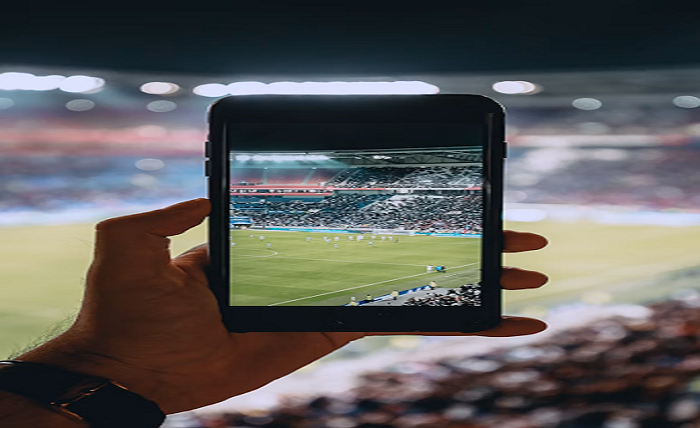
By 2026, sports consumption in Malaysia will have changed and improved thanks to a quick mobile news ecosystem. Television is still the main way sports are broadcast live, but consumers are not limited to newspapers or evening news. Fans now have the ability to see the news, quick reviews, highlight clips, tweets, and even live coverage on their phones.
Due to this restructuring in media, game reading has adapted as well for consumers. Some fans have leveraged the constant updates on statistics and live odds for online betting. Football has shifted from an emotional outlet to a more critical and rational framework. Many fans also rely on live statistics to inform their betting decisions or on watching decisions as they occur in the game.
Key Ways Malaysian Football Media Is Changing
| Area | Change | Impact |
| Real-time coverage | Apps, live blogs, clips, push notifications | Fans stay connected anywhere |
| Social media | Reactions, memes, short videos, fan comments | Supporters shape football debates |
| Streaming | Mobile apps, YouTube, digital platforms | Easier access to matches and analysis |
| Data | xG, possession, shots, passing maps | More tactical understanding |
| Club media | Training clips, interviews, behind-the-scenes posts | Stronger connection with clubs |
Digital Platforms and the New Matchday Experience
Digital channels have turned match days into a perpetual news event. Fans can receive squad news in the morning, see who the starters are before the first whistle, watch clips during the game, and return later for the analysis. Football is no longer a 90-minute game.
To keep up, media and clubs have changed how they transmit news. Rather than long articles and video summaries, the new style incorporates short injury reports and stats. These quick updates are consumed in the little breaks between work, study, and of course, the frequent scroll.
This is shaping Malaysian football to include more of the upcoming talents that don’t have the resources to compete with the large European clubs. For example, clubs like Johor Darul Ta’zim, Selangor, or Kedah can post short clips of their training, social posts, and matchday stats to draw a larger young audience.
How Fan Behavior Has Changed
Bypass or save, any referee’s decision is open to scrutiny. Coaching and substitution decisions are discussed at length, even if the decisions were poor or negative decisions were made.
Southeast Asian fans, including Malaysian fans, post and share their views. There is local media coverage of various leagues, and fans will even critique them to the standards of the EPL, Thai League, or Liga 1 Indonesia. Because of these critiques, local media will have to upgrade their graphics or streaming software.
Malaysian sports fans have also become more engaged than ever. They are now:
- Checking game lineups;
- Tracking scoring and fouls in real time;
- Watching short videos instead of long game replays;
- More willing to engage with content and actual fans;
- Using phone apps to check in game odds, highlight videos, or engage in fan discussions.
Now sports fans have more tools to articulate what they see or understand and have the ability to agree or disagree on the football (soccer) pitch while incorporating statistics, video clips, and other forms of tactful messaging with examples of direct engagement from the game.
Regional Connectivity and Real-Time Entertainment
Malaysia has a unique football culture compared to all of Southeast Asia. From one device, fans can view local matches, international competitions, European leagues, and international football. A supporter in Kuala Lumpur could discuss the results of the Malaysian League, check the Thai League, and even see Champions League highlights the same night.
This mobile-centric behavior is evident outside of just football as well. People who use live odds, real-time sports updates, and interactive match data are likely the same users who engage in online casino games due to the rapid speed, combined with mobile and interactive gameplay. Despite football media and casino entertainment being drastically different, they show that the various digital platforms will fight for user engagement to stay on top by providing the most convenient and easily accessible services.
Similar patterns can be seen in nearby markets. Regional examples such as live casino Philippines show how real-time digital entertainment has expanded across Southeast Asia. Malaysian football media reflects the same broader expectation: users want instant updates, mobile access, and content they can return to whenever they choose.
Year-Round Football Culture
Malaysians’ passion for football doesn’t fade away when the season ends. Supporters keep following transfer rumors, coaching changes, kit launches, youth prospects, and club announcements. Clubs that have mastered effective communication can stay in the spotlight with their fans all year round.
This gives clubs a chance to stay relevant outside matchdays. Clubs can build their fan base during the offseason, and fans have a reason to stay engaged even when there are no matches. The community can be encouraged and engaged through a short training video or even a post outlining strategies.
The downside is that fast content can also spread rumours, half-checked injury news, or misleading transfer claims. While the speed of content publication seems great, it is important for building a fan base that the published materials are accurate.
The New Identity of Malaysian Sports Media
Journalism covering Malaysian football shows how the industry is evolving with the rest of the world. Digital innovation is allowing Southeast Asian football leagues to strengthen their relationships with their supporters. Digital centralisation means supporters are able to follow any league, Malaysian football, European competitions, and other regional league.
Those digital technologies are influencing other industries beyond football and sports. In Malaysia, sports journalism must adapt to the digital technologies that enable real-time. Fans must be able to instantly comment and share their thoughts. Digital centralisation means fans can be a part of the football experience and the community when and where they want it to be.