Introduction
The vision of har ghar bijli has become one of India’s most significant development goals in recent years. Access to electricity is no longer considered a luxury but a basic necessity for modern living. The har ghar bijli initiative aims to ensure that every household, whether in urban centers or remote villages, receives a reliable electricity connection. Through extensive infrastructure development, government policies, and technological innovations, har ghar bijli has significantly improved the quality of life for millions of people across the country.
The concept of har ghar bijli goes beyond simply connecting homes to power lines. It focuses on providing sustainable, affordable, and continuous electricity that supports education, healthcare, economic development, and overall social progress. As India continues its journey toward becoming a global economic powerhouse, the success of har ghar bijli remains a critical factor in achieving inclusive growth.
What Is Har Ghar Bijli?
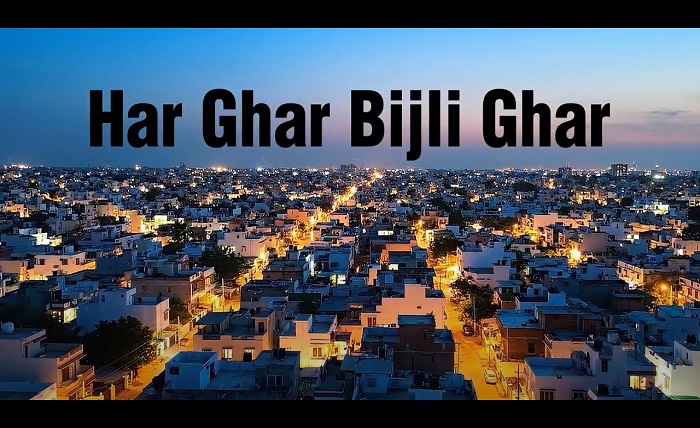
The term har ghar bijli literally translates to “electricity in every home.” It represents a nationwide effort to provide universal household electrification across India. The har ghar bijli mission was launched to bridge the gap between urban and rural access to electricity and ensure that every citizen benefits from modern energy services.
Under the har ghar bijli initiative, households that previously lacked electricity connections received support through various government schemes and programs. The primary objective of har ghar bijli is to eliminate energy poverty and create equal opportunities for all citizens, regardless of their geographic location.
The success of har ghar bijli has been measured not only by the number of connections provided but also by improvements in living standards, educational outcomes, and economic productivity. By bringing electricity to every home, har ghar bijli has laid the foundation for long-term national development.
The Importance of Har Ghar Bijli for Economic Development
The impact of har ghar bijli on economic growth is substantial. Electricity serves as the backbone of modern economies, enabling businesses, industries, and households to function efficiently. Through har ghar bijli, millions of families now have access to opportunities that were previously unavailable due to the lack of reliable power.
Small businesses benefit greatly from har ghar bijli because electricity allows entrepreneurs to operate machinery, store products, and extend working hours. In rural areas, har ghar bijli has encouraged the growth of micro-enterprises, creating jobs and increasing household incomes.
Agriculture has also benefited from har ghar bijli. Farmers can use electric pumps for irrigation, improving crop productivity and reducing dependence on traditional methods. The availability of electricity through har ghar bijli supports modern agricultural practices and contributes to food security.
Additionally, har ghar bijli attracts investment to underserved regions by creating the infrastructure necessary for economic activities. As a result, communities that once struggled with limited opportunities are now experiencing greater economic development and prosperity.
How Har Ghar Bijli Improves Education
One of the most significant benefits of har ghar bijli is its positive impact on education. Students living in electrified homes can study after sunset without relying on kerosene lamps or other unsafe lighting sources. The availability of reliable lighting through har ghar bijli creates a better learning environment and improves academic performance.
Digital education has become increasingly important, and har ghar bijli enables students to access online learning resources, educational videos, and virtual classrooms. With electricity, families can charge smartphones, tablets, and computers that support modern educational activities.
Schools themselves benefit from har ghar bijli by gaining access to lighting, fans, computers, and other essential facilities. This improved infrastructure helps create a more effective learning environment for students and teachers alike.
By supporting education at both the household and institutional levels, har ghar bijli plays a crucial role in building a more skilled and knowledgeable workforce for the future.
The Role of Har Ghar Bijli in Healthcare Services
Healthcare outcomes improve dramatically when communities gain access to electricity through har ghar bijli. Health centers and clinics require reliable power to operate medical equipment, store vaccines, and provide emergency services. Without electricity, many essential healthcare functions become difficult or impossible.
The implementation of har ghar bijli has enabled healthcare facilities to improve patient care and expand their services. Refrigeration systems used for vaccines depend on continuous electricity, making har ghar bijli an important factor in public health initiatives.
At the household level, har ghar bijli improves health and safety by reducing the use of kerosene lamps, which can cause respiratory problems and fire hazards. Families can also access health-related information through television, radio, and internet-enabled devices powered by electricity.
As healthcare systems continue to modernize, har ghar bijli remains an essential component of delivering quality medical services to every community.
Challenges Faced in Implementing Har Ghar Bijli
While the achievements of har ghar bijli are impressive, the implementation process has faced several challenges. Reaching remote and geographically difficult areas requires significant investment in infrastructure and logistics. In many regions, extending power lines and installing electrical equipment can be costly and time-consuming.
Another challenge for har ghar bijli is ensuring the reliability of electricity supply after connections are established. Some households may have access to power but still experience interruptions or limited service hours. Addressing these issues is essential for maximizing the benefits of har ghar bijli.
Financial sustainability also plays an important role in the success of har ghar bijli. Utility providers must balance affordable electricity rates with the costs of maintaining and upgrading infrastructure. Achieving this balance is necessary to ensure long-term service quality.
Despite these obstacles, continuous efforts by government agencies and energy providers have helped har ghar bijli overcome many barriers and expand access across the country.
Technology and Innovation Supporting Har Ghar Bijli
Modern technology has significantly contributed to the success of har ghar bijli. Smart grids, renewable energy systems, and digital monitoring tools help improve the efficiency and reliability of electricity distribution. These innovations support the long-term sustainability of har ghar bijli initiatives.
Solar energy has emerged as an important complement to har ghar bijli, especially in remote locations where traditional grid expansion may be challenging. Solar-powered systems provide reliable electricity while reducing environmental impact.
Digital technologies also enable better management of electricity networks. Through advanced monitoring systems, utility providers can quickly identify and resolve issues, ensuring that har ghar bijli delivers consistent service to consumers.
As technology continues to evolve, har ghar bijli will benefit from new solutions that improve energy access, efficiency, and affordability.
The Future of Har Ghar Bijli in India
The future of har ghar bijli involves moving beyond basic electrification toward ensuring high-quality, uninterrupted power supply for every household. As infrastructure improves, the focus will shift toward reliability, sustainability, and customer satisfaction.
Renewable energy sources will play an increasingly important role in supporting har ghar bijli. Solar, wind, and other clean energy technologies can help meet growing electricity demand while reducing environmental impacts.
The continued success of har ghar bijli will also depend on investments in grid modernization, energy storage systems, and smart technologies. These developments will help create a resilient energy ecosystem capable of supporting future economic growth.
By maintaining its commitment to universal electrification, India can ensure that har ghar bijli remains a powerful driver of social and economic transformation for generations to come.
Conclusion
The har ghar bijli initiative represents a major milestone in India’s development journey. By providing electricity access to households across urban and rural areas, har ghar bijli has improved education, healthcare, economic opportunities, and overall quality of life. While challenges remain, ongoing investments in infrastructure, technology, and renewable energy are helping strengthen the impact of har ghar bijli. As India continues to grow and modernize, har ghar bijli will remain a cornerstone of inclusive and sustainable development.
FAQs
1. What does har ghar bijli mean?
Har ghar bijli means “electricity in every home” and refers to efforts aimed at providing universal household electrification.
2. Why is har ghar bijli important?
Har ghar bijli is important because it improves living standards, supports education, enhances healthcare, and promotes economic growth.
3. How does har ghar bijli benefit rural communities?
Har ghar bijli benefits rural communities by enabling better farming practices, supporting small businesses, and improving access to education and healthcare.
4. What challenges does har ghar bijli face?
Some challenges faced by har ghar bijli include infrastructure costs, maintaining reliable electricity supply, and reaching remote locations.
5. What is the future of har ghar bijli?
The future of har ghar bijli focuses on reliable power supply, renewable energy integration, smart grid technology, and sustainable energy access for all households.