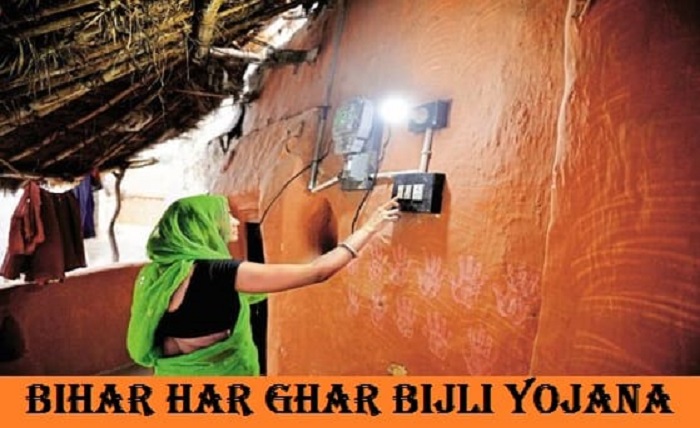
The initiative har ghar bijli represents a transformative vision for India, aiming to bring electricity to every household across urban and rural areas. The concept is not just about supplying power; it’s about empowering people. By ensuring that har ghar bijli reaches even the remotest villages, families gain access to lighting, modern appliances, and better opportunities for education and work. The government and energy stakeholders recognize that har ghar bijli is crucial for social and economic development, creating a more equitable society.
Electricity is a fundamental part of modern life, and har ghar bijli ensures that no home remains in darkness. With infrastructure development, smart grid technology, and renewable energy integration, the promise of har ghar bijli is becoming a reality. It’s not just a policy but a movement toward energy inclusivity, aiming to bridge the gap between urban conveniences and rural necessities.
Importance of Har Ghar Bijli for Rural Development
Rural communities have historically faced challenges due to limited access to electricity. The initiative har ghar bijli directly addresses these challenges, transforming livelihoods. With har ghar bijli, farmers can use electric pumps for irrigation, small businesses can operate machinery efficiently, and students can study under proper lighting. The presence of har ghar bijli in villages reduces dependence on kerosene lamps and fossil fuels, promoting cleaner and safer alternatives.
Additionally, har ghar bijli fosters entrepreneurship in rural areas. Small shops, food processing units, and other micro-enterprises benefit immensely from reliable electricity. Women, especially, gain more opportunities for economic participation with har ghar bijli, as home-based businesses and skill development initiatives become feasible. The importance of har ghar bijli is not only in powering homes but in powering progress.
Technological Innovations Driving Har Ghar Bijli
The success of har ghar bijli relies heavily on technological advancements. Smart grids, solar microgrids, and renewable energy solutions ensure that har ghar bijli reaches even the most isolated locations. Solar panels on rooftops, coupled with energy storage systems, make it possible for har ghar bijli to function sustainably. Moreover, smart meters allow precise energy usage monitoring, optimizing distribution under the har ghar bijli program.
Modern technology also makes har ghar bijli resilient to power failures and natural calamities. Backup systems, automated load management, and predictive maintenance ensure uninterrupted electricity supply. By leveraging technology, har ghar bijli not only illuminates homes but also strengthens the national power network, ensuring reliability and efficiency across the country.
Economic Impact of Har Ghar Bijli
The economic benefits of har ghar bijli are profound. Reliable electricity enables small businesses to thrive, agricultural productivity to increase, and manufacturing to expand. With har ghar bijli, local markets become more vibrant, and job opportunities multiply. Families save money previously spent on kerosene or diesel generators, redirecting resources toward education, healthcare, and entrepreneurship.
Furthermore, har ghar bijli attracts investments in energy-intensive sectors in rural and semi-urban regions. Industrial growth supported by har ghar bijli can lead to improved infrastructure, better roads, and enhanced connectivity. The economic ripple effect of har ghar bijli is transformative, creating an ecosystem where prosperity and sustainability go hand in hand.
Environmental Benefits of Har Ghar Bijli
Sustainable energy solutions are central to the har ghar bijli initiative. By integrating solar, wind, and other renewable energy sources, har ghar bijli minimizes environmental degradation and reduces carbon emissions. This approach not only powers homes but also contributes to India’s climate goals. The shift from fossil fuels to clean electricity under har ghar bijli reduces air pollution and promotes healthier living conditions.
Moreover, har ghar bijli encourages energy efficiency in households and communities. Energy-efficient appliances, LED lighting, and smart energy management systems help households make the most of their electricity while reducing wastage. By focusing on sustainability, har ghar bijli ensures that progress does not come at the expense of the environment.
Challenges in Implementing Har Ghar Bijli
Despite its many benefits, implementing har ghar bijli comes with challenges. Infrastructure gaps, maintenance issues, and funding limitations can hinder progress. Ensuring that har ghar bijli reaches remote and difficult terrains requires innovative solutions, strong governance, and community participation. Corruption and administrative inefficiencies can also slow down the distribution of electricity under har ghar bijli.
However, these challenges are not insurmountable. With focused policy measures, public-private partnerships, and community-driven initiatives, har ghar bijli can overcome obstacles. Training local technicians, using renewable energy solutions, and employing smart monitoring systems are ways to ensure that har ghar bijli is sustainable and effective.
The Future of Har Ghar Bijli
The future of har ghar bijli is bright, with continued expansion and innovation on the horizon. India is exploring advanced technologies like microgrids, AI-based energy management, and solar home systems to extend har ghar bijli further. The goal is not only universal access but also energy reliability, affordability, and sustainability.
As more households gain access to har ghar bijli, social and economic disparities decrease. Children can study at night, businesses can operate efficiently, and communities can thrive. The promise of har ghar bijli extends beyond electricity; it is a catalyst for inclusive growth, digital empowerment, and national progress.
Conclusion
The har ghar bijli initiative is a landmark effort to transform India’s energy landscape. By ensuring electricity access for all homes, it empowers individuals, strengthens communities, and fuels economic and social development. While challenges exist, the combination of technology, policy, and community participation ensures that har ghar bijli will continue to illuminate lives across the nation. In the journey toward an electrified and equitable India, har ghar bijli stands as a beacon of hope and progress.
FAQs
1. What is the main goal of the Har Ghar Bijli initiative?
The main goal of har ghar bijli is to provide electricity to every household in India, ensuring equitable access to energy.
2. How does Har Ghar Bijli benefit rural communities?
Har ghar bijli improves irrigation, supports small businesses, enables education, and promotes clean energy in rural areas.
3. What technologies support Har Ghar Bijli?
Solar panels, smart grids, energy storage, and renewable solutions are key technologies behind har ghar bijli.
4. What challenges does Har Ghar Bijli face?
Challenges include infrastructure gaps, funding issues, terrain difficulties, and administrative inefficiencies, affecting har ghar bijli rollout.
5. How does Har Ghar Bijli contribute to the environment?
By promoting renewable energy, energy efficiency, and reducing reliance on fossil fuels, har ghar bijli supports sustainable development.