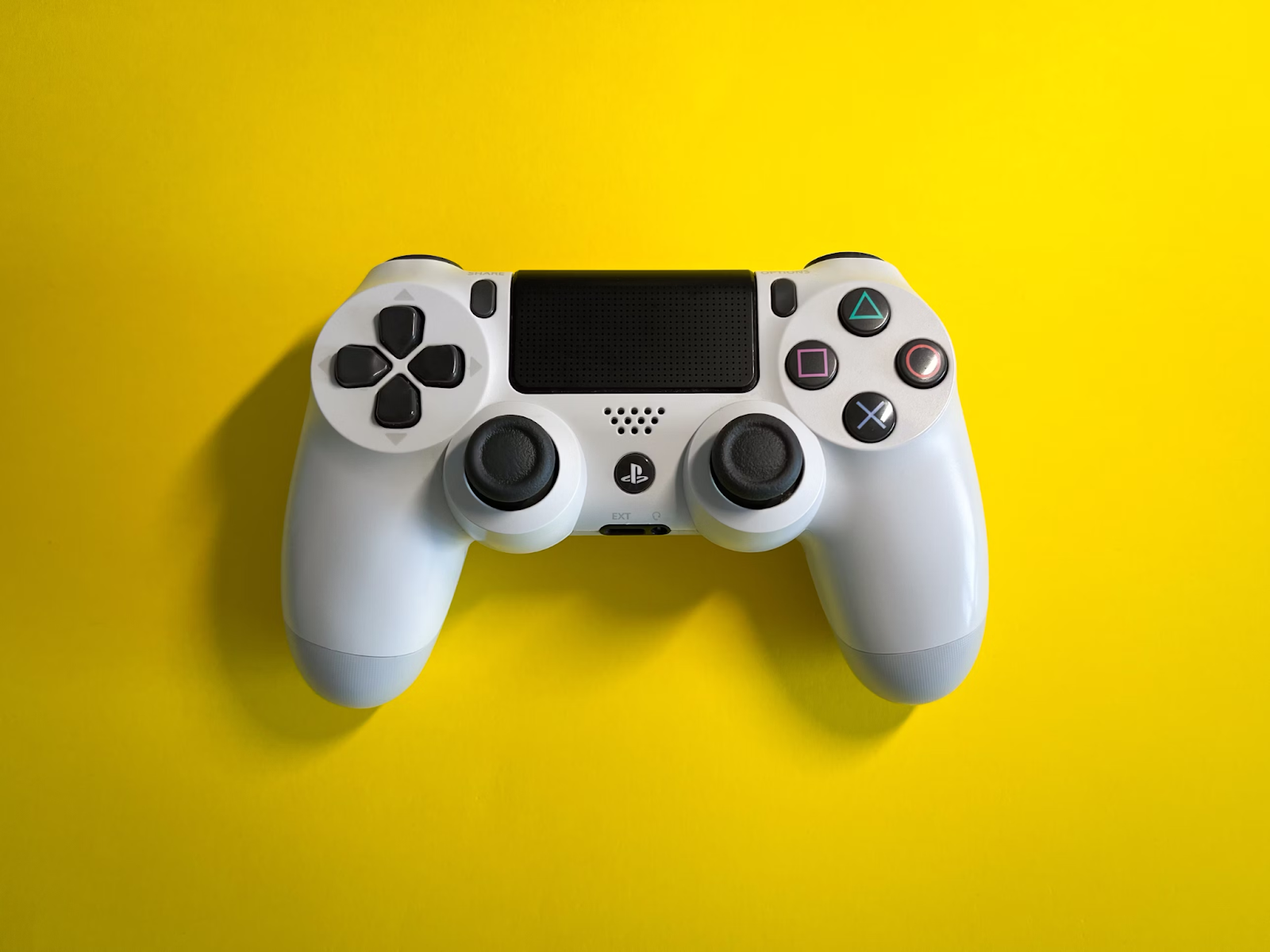
A remaster earns respect only when the result feels like the memory, not the reality. Nostalgia often paints smooth edges and sharp textures where none existed. A strong upgrade meets that memory with modern clarity, steady performance, and design repairs that keep the soul intact. The aim is faithful restoration with practical fixes, not a personality swap.
A simple metaphor helps. Picture a lively arcade break between tasks: a quick run in a crazy balls game refreshes attention without changing who plays. A remaster should work the same way. New tech and better polish lift the original idea without replacing it. Pacing, control feel, and art direction remain familiar, while friction points from old hardware quietly disappear.
What Separates a Real Upgrade from a Quick Port
A good remaster respects art while meeting today’s standards for comfort and reliability. The upgrade should feel invisible during play and obvious in hindsight.
Clear Signs a Remaster Actually Improves
- Sharp image treatment with respectful textures and clean anti-aliasing, not waxy filters
- Stable frame pacing at modern targets, plus responsive input that never stutters during heavy scenes
- Quality-of-life fixes such as faster loads, sensible checkpoints, and accessible UI scaling
- Audio preserved from original stems with higher headroom and repaired mixing quirks
- Optional features like photo mode, control remapping, and color-blind support that do not alter balance
These changes do not chase headlines. They remove small cuts that once drew attention away from music, movement, and story. When the upgrade disappears from view, the game finally takes center stage again.
Fidelity, Feel, and Trust
Visual sharpness matters, yet feel decides whether a return trip lasts beyond the first hour. Input latency lowers, camera drift smooths out, and collision edges get polished. Certified support for current controllers, ultrawide formats, and cloud saves helps long campaigns survive a busy week. Bug parity with the best fan patches builds trust. Preservation and convenience can live together when the team documents changes and offers toggles for purists.
Color grading deserves special care. Many classics relied on CRT glow or earlier gamma curves. A respectful remaster recreates the mood with accurate blacks and careful HDR, not with neon saturation or crushed shadows. The goal is the original intention, only clearer.
Preservation with Modesty
The strongest projects publish a changelog that separates restoration from reinterpretation. When new models or lighting appear, the option to revert keeps the door open for a museum-grade run. Unlockable art books, commentary tracks, and soundtrack players turn the package into a living archive. Players new and old gain context, while speedrunners and historians keep a stable reference.
Saving systems also mature. Quick resume, multiple slots, and chapter select replace passwords and sparse checkpoints. Accessibility grows through subtitle options, input remaps, camera shake sliders, and difficulty assists that preserve achievements without gatekeeping. Respect beats purity tests.
Top 5 Remasters That Truly Got Better
- Resident Evil 2 (2019 Remake-grade Remaster)
A complete rebuild that still honors pacing and dread. Modern controls, impeccable audio, and honest puzzles replace clunky friction while keeping tension intact. - Shadow of the Colossus (PS4)
Higher fidelity with careful lighting preserves the desert hush and mountain scale. Controls and frame pacing finally support the intended rhythm of climbs and strikes. - Mass Effect Legendary Edition
Cohesive visuals across the trilogy, cleaner combat in the first entry, and sensible UI tweaks. Faster loads and photo mode turn a long saga into an inviting modern journey. - The Last of Us Part I
Ground-up art overhaul with improved AI paths and accessibility features. Tone remains steady while animation and lighting reach current standards. - Crash Bandicoot N. Sane Trilogy
Tight platforming preserved with precise input, consistent physics, and charmingly refreshed art. A classic corridor challenge made readable for new eyes.
These releases respect memory while delivering practical comfort. None relies on bloom alone. Each smooths rough edges that once demanded patience and replaces them with momentum.
When a Remaster Goes Too Far
The danger lies in novelty that drowns intent. Overexposed lighting, heavy motion blur, or loud filters can erase texture. Remixed soundtracks that ignore tempo shifts break combat or platform timing. Input overcorrection may create float where weight once lived. The fix is restraint: give options, document differences, and guard the core loop from cosmetic experiments.
Buying Strategy That Protects Time and Money
Price alone does not signal quality. Read patch notes and look for developer commentary about performance targets and art pipelines. Confirm resolution support, controller latency, and save migration. If the original remains available, compare footage side by side and check for toggleable legacy modes. Favor editions with museum extras, because context deepens appreciation and lengthens replay value.
Practical Checklist Before Hitting Buy
- Verified frame-time graphs and input latency measurements from reliable testers
- Toggle options for motion blur, film grain, chromatic aberration, and legacy visuals
- Accessibility suite with remapping, subtitle size, color-blind filters, and camera controls
- Honest HDR or tone-mapped SDR that preserves midtones and highlights
- Clear plan for updates, plus proof that bugs from launch weeks have been addressed
A remaster worth revisiting treats time with care. Smooth onboarding, sane checkpoints, and stability across long sessions turn “someday” into “this weekend.”
The Bottom Line
A great remaster feels like meeting an old friend in a quiet café rather than a noisy club. The voice is familiar, the details are sharper, and conversation flows without effort. When studios restore intention, polish performance, and add comfort without rewriting identity, the upgrade earns a permanent spot in a modern library. Memory provides the spark. Craft provides the reason to stay.